Display History Font for Creative Branding
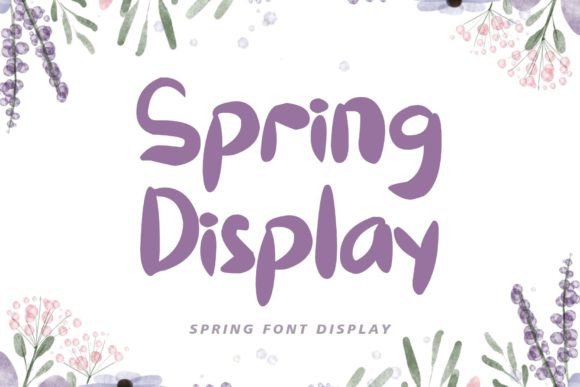
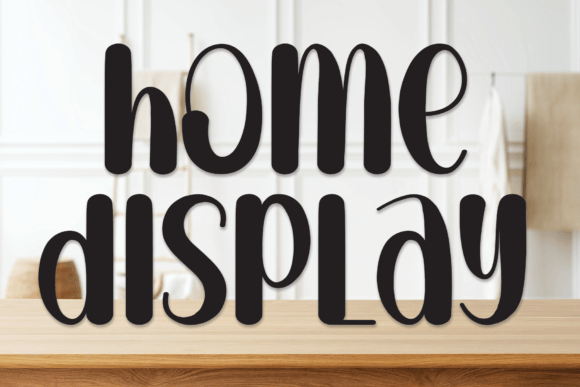
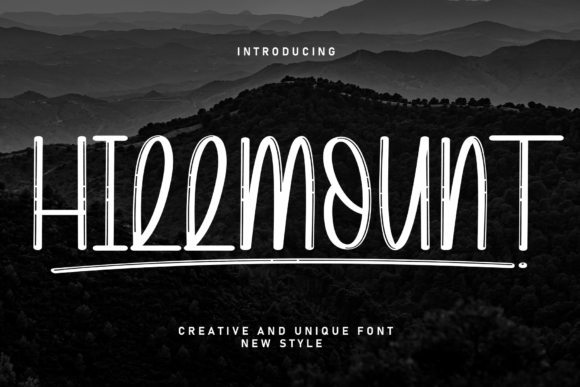
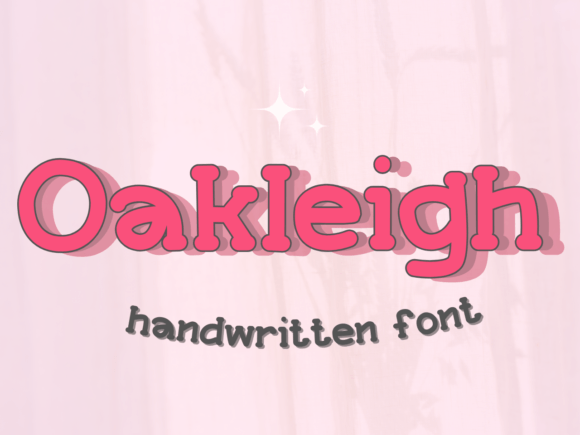
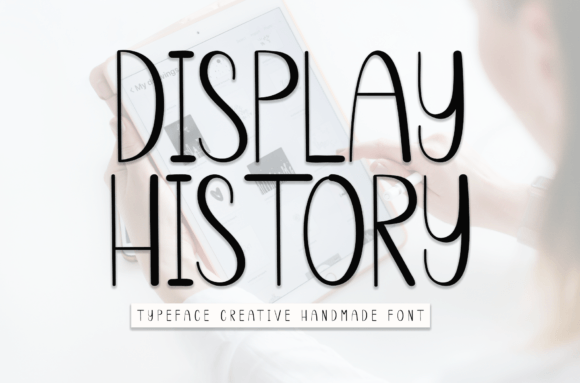
When I first opened my design software to start a new brand identity project for a local artisanal bakery, I knew I needed something that felt approachable yet distinct. That is when I stumbled upon Display History, a sweet and friendly handwritten display font that immediately caught my eye. As a graphic designer, I am always on the lookout for Fonts that bridge the gap between professional polish and genuine human touch. This particular typeface belongs to the Script Handwritten category, which means it carries the organic imperfections of real pen-on-paper writing while maintaining enough structure to be legible in commercial applications. In this article, I want to share how integrating Display History into a real-world branding workflow can elevate your design assets, from initial mockups to final printed materials.
Using Display History for Wedding Invitations and Event Stationery
The primary appeal of Display History lies in its ability to convey warmth and intimacy, making it an exceptional choice for wedding invitations and event stationery. When I tested this font for a sample save-the-date card, the curves and loops felt natural, avoiding the stiff, robotic look that plagues many digital scripts. Because Display History is a sweet and friendly handwritten display font, it creates an instant emotional connection with the recipient. It suggests that the event will be personal, joyful, and carefully curated. For designers working in the wedding industry, this typeface offers a versatile tool that works beautifully for headers, couple names, and key dates. The cute and fun aesthetic ensures that the design does not feel overly formal or intimidating, which is perfect for modern couples who want their branding to reflect their personalities rather than rigid traditions.
Designing Fun Packaging Labels with Script Handwritten Fonts
Moving beyond paper goods, I explored how Display History performs on product packaging, specifically for small-batch skincare and handmade goods. In the world of retail, shelf presence is everything, and Fonts play a crucial role in stopping a potential customer in their tracks. I applied the typeface to a mockup for a lavender soap label, and the result was striking. The handwritten nature of the font added a craft-quality feel that suggested the product was made with care and attention to detail. Since Display History is ideal for any design that might need a fun touch, it works exceptionally well for brands that want to appear accessible and artisanal. When using Script Handwritten styles for packaging, it is important to ensure the text remains legible at smaller sizes. I found that by increasing the letter spacing slightly and pairing it with a clean sans serif font for the ingredient list, the hierarchy remained clear and professional.
Creating Engaging Social Media Graphics with Display History
In today’s digital landscape, social media graphics require typography that is both eye-catching and quick to read. I used Display History to create a series of Instagram posts for a creative studio launch, focusing on quote cards and announcement headers. The font’s playful personality helped the content stand out in a crowded feed, encouraging higher engagement rates. Because it is a display font, it is best used for short bursts of text rather than long paragraphs. I noticed that when used as a headline over high-quality photography, Display History added a layer of sophistication without losing its friendly vibe. For marketers and content creators, incorporating this typeface into templates can help maintain brand consistency across platforms. It serves as a visual anchor that makes every post recognizable, reinforcing the brand’s identity with each impression. The versatility of Fonts like this allows for easy adaptation across different aspect ratios, from stories to reels covers.
Pairing Display History with Modern Typography for Brand Identity
A common challenge when working with Script Handwritten typefaces is finding the right companion fonts to create a balanced brand identity. During my testing phase, I experimented with pairing Display History with various modern typography styles. I found that it pairs beautifully with geometric sans serif fonts, which provide a stable, neutral foundation that lets the script shine. For a more traditional look, a classic serif font can add elegance and contrast, though one must be careful not to make the design feel too heavy. The key is to let Display History take the lead as the accent font or logo mark, while the supporting typeface handles the body copy and informational text. This combination ensures that the brand feels cohesive and professional. When building a brand style guide, I recommend defining specific rules for how these fonts interact, such as minimum sizing and color combinations, to preserve the integrity of the design system.
Practical Tips for Using Display History in Commercial Projects
Before finalizing any client project, it is essential to test the font in various real-world scenarios. I printed sample business cards and storefront signs to see how Display History held up in physical formats. The results were promising, but I learned that ink spread can affect the finer details of handwritten fonts. To mitigate this, I adjusted the weight and contrast in the design file to ensure clarity. Additionally, checking the included styles and alternates is crucial for avoiding repetitive patterns in longer words. While Display History is primarily a display font, its versatility allows it to be used in logos, posters, flyers, and website headers. Always verify the commercial font licensing terms to ensure you are covered for the specific use case, whether it is for digital ads or printed merchandise. By taking these practical steps, you can ensure that your final deliverables are not only visually appealing but also technically sound.
Ultimately, Display History is a valuable addition to any designer’s toolkit. Its ability to infuse projects with a sense of fun and friendliness makes it ideal for wedding invitations, cards, and branding efforts that require a personal touch. Whether you are designing for a small business, a creative studio, or a special event, this Script Handwritten typeface offers the perfect blend of charm and professionalism. By understanding its strengths and limitations, you can leverage Fonts like this to create memorable and effective design solutions that resonate with your audience.